



Zagreb launched its first tram in 1891 and the tramways are still going strong. The tram network now includes 15 day trams and 4 night trams that cover over 50km of track. The rolling stock is a mixture of older trams and 124 brand-new low-floor trams.
Trams whisk residents back and forth from the suburbs and also cover central Zagreb which make them a better sightseeing choice than the buses. If you stay in central Zagreb you may never use the tram. If you stay near the bus station you certainly will. Staying near the train station puts you within walking distance of most sights but you may find a tram convenient from time to time. The one certainty about Zagreb trams is that they're crowded most of the time.
[Check out 22 amazing things to do in Zagreb]
Hours
Day trams run from 4am to midnight while the night trams cover the remaining hours. Day trams run every 5 to 22 minutes depending on the line, the time of day and the day of week. For example the popular No 6 line is at the low end of the scale but you may have to wait a while for the trams out to Jarun Lake. Weekday rush hours see the most trams while on Sunday trams can be few and far between. Night trams run every 30 minutes.
Price
The entire city of Zagreb lies within one zone. The prices for all public transport including trams, buses and the funicular are as follows:
€0.50 Good for 30 minutes
€0.92Good for 60 minutes
€1.50 (€2 for a night tram or purchased from the driver) good for 90 minutes
€3.98 for a day card good for unlimited travel within the city limits all day.
So, which to choose? Most, but not all of Zagreb's sights are easily walkable from the town center. The Museum of Contemporary Art, for example, is on the outskirts and some nightlife is along the Sava river, neither of which are easily walkable. None of the above packages involve an airport transfer.
How to Use the Tramway
It's best to have a copy of a tram map as there are not necessarily tram maps at outlying tram stations. Also, tram stops do not have timetables and some tram stations are poorly marked. Individual tickets are good for one ride plus transfers in the same direction. Whether you buy a ticket from a tisak or from the driver, you must stamp the ticket in a yellow box as soon as you board.
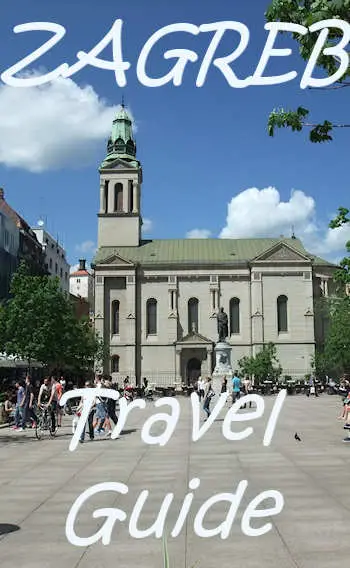
Discover Zagreb with Zagreb and Plitvice Lakes Related Pages
Further ResourcesZET--Zagreb's local bus company (in Croatian) |


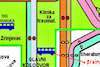 Zagreb Tram Map
 Zagreb Buses
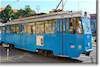 Getting Around Zagreb
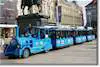 Zagreb Tourist Train
Last Updated December 13, 2022
 Things to do in Zagreb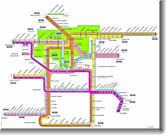
Join the Croatia Traveller Group
Recommended Experiences
©CroatiaTraveller 2005-2024 All rights reserved
